 Home
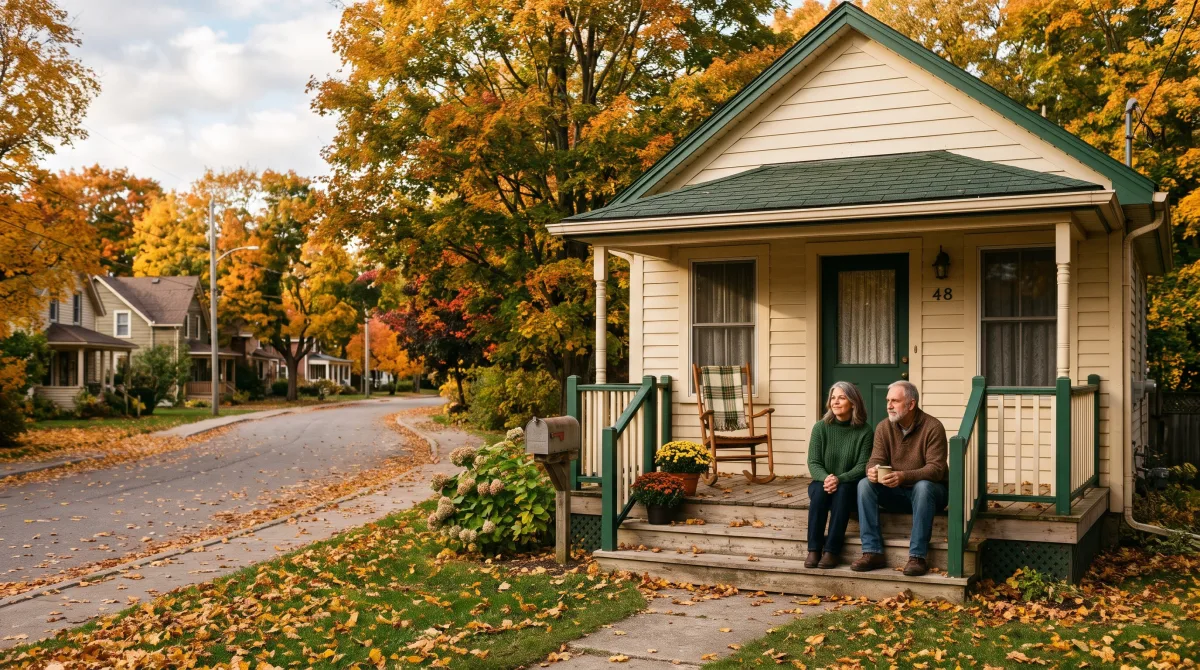
Several provinces let older or lower-income owners postpone property tax as a low-interest loan repaid when the home is sold.
Property tax is one of the larger bills a retired homeowner still has to meet, and unlike a mortgage it never goes away. For someone whose house has risen in value over decades but whose monthly income has not, the annual bill can feel out of step with the money coming in. Several provinces and many municipalities offer a quiet answer to that mismatch: a tax-deferral program that lets eligible owners postpone some or all of their property tax for a time.
It is a useful tool, but widely misunderstood. A deferral is not a discount, a rebate, or a waiver. It is a loan — usually a low-interest one — secured against your home and repaid later. Understanding how that works is the difference between a sensible cash-flow decision and an unwelcome surprise for your estate.
What a deferral actually is
When you defer, the province or municipality covers the tax bill on your behalf and records the amount as a loan against your title. You keep living in the home as usual. Interest accrues on the deferred balance, generally at a rate well below a bank’s, and the whole amount — deferred tax plus accumulated interest — becomes repayable when a triggering event occurs: typically when the home is sold, when it is transferred, or out of the estate after the owner dies.
Because it is a loan secured against the property, these programs almost always require that you hold a minimum amount of equity in the home — often that your mortgage and other charges sit below a set share of the home’s value — and that you are current on obligations such as home insurance. The equity rule exists for a simple reason: there must be enough value in the house to repay the deferred amount later.

It is a loan, not a waiver. Deferred tax does not disappear. Interest accrues on the balance for as long as it is outstanding, and the full amount is repaid when the home is sold, transferred, or settled from your estate. It lowers your bills now by drawing on the equity in your home.
Who tends to qualify
Eligibility varies a great deal by province and municipality, so the picture below is general rather than a rule for your area. Broadly, these programs aim at two groups: older homeowners — with age thresholds that might be 55, 60, or 65 depending on the program — and lower-income or disabled owners who meet an income test. Some serve one group, some both, and some add categories such as families with young children.
Common conditions include being the registered owner and ordinarily resident in the home, carrying adequate insurance, holding a minimum level of equity, and being current on the property’s charges. If you receive the Old Age Security pension, deferral does not affect it, though your wider income picture is worth watching — see our note on the OAS clawback if your retirement income is near the recovery threshold.
A few programs, as examples
To show the range, here are programs that exist in various forms across the country. Treat them as illustrations only: names, rates, and rules change, so confirm the current details with the body that runs the program.
- British Columbia runs a long-standing provincial deferment program for seniors and some other groups, administered by the province.
- Alberta has offered a seniors’ deferral that lets eligible older owners postpone the tax as a low-interest home-equity loan from the province.
- Ontario deferral programs are generally run at the municipal level, so what is available depends on your city or region.
- Nova Scotia offers municipal programs in a number of areas, with local eligibility rules.
The common thread: you apply to the right body — sometimes the province, sometimes the municipality — and the terms are set there.
How to find and apply for your area’s program
The trade-off worth weighing
A deferral eases your monthly cash flow now, and for many retired owners that is exactly what is needed — it can mean staying in the family home comfortably rather than feeling squeezed by one large annual bill. The cost is that your equity, and therefore your estate, shrinks over time as the balance and its interest grow. The illustration below assumes a steady annual tax and a low deferral rate; your own province’s rate and tax bill will differ.
| Years deferred | Tax deferred | Approx. balance owing |
|---|---|---|
| 3 years | $12,000 | $12,990 |
| 5 years | $20,000 | $22,550 |
| 10 years | $40,000 | $49,970 |
Illustrative figures for 2026, rounded. Interest compounds on the growing balance, so the amount owing climbs faster the longer deferral runs. Real rates vary by province and can change.
Whether the trade-off is worth it depends on your situation: how much equity you hold, whether you intend to leave the home to heirs, and what other options you have. Deferral is often gentler than borrowing commercially, because the rate is usually low and there are no monthly payments to service. If you are weighing it against other ways of drawing on the house, our comparison of a reverse mortgage versus a HELOC sets out how those differ.
Common questions
Is deferred property tax ever forgiven?
No. A deferral postpones the tax; it does not cancel it. The deferred amount plus interest is repaid when the home is sold or transferred, or from the estate. For genuine reductions, ask your municipality separately about any rebate or exemption programs it runs.
Will deferring affect my heirs?
Yes, indirectly. Because the balance and its interest are a charge on the home, there is less equity left when the property is eventually sold or passed on. It is sensible to discuss the plan with anyone who expects to inherit the home.
Can I still sell or move if I have deferred?
Generally yes. Selling or transferring is one of the events that triggers repayment: the outstanding balance is settled out of the proceeds. Confirm the exact process with the program before you list the home.
Does this site handle applications?
No. This is general information only. Deferral programs are run by provincial governments and municipalities, and you apply directly to them. Always confirm the current rules, rates, and deadlines with the official body for your area.
In short
A property-tax deferral lets eligible homeowners — often seniors, lower-income, or disabled owners — postpone some or all of their annual property tax. It is a low-interest loan secured against the home, not a waiver, repaid with interest when the home is sold, transferred, or settled from the estate. It eases monthly cash flow now at the cost of equity later, so it suits some situations and not others. Rules vary widely, so check your own province and municipality, and apply to them directly.

